What Is a Grow Tent and How Does It Work for Indoor Gardening

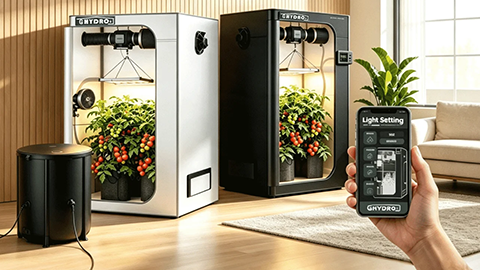
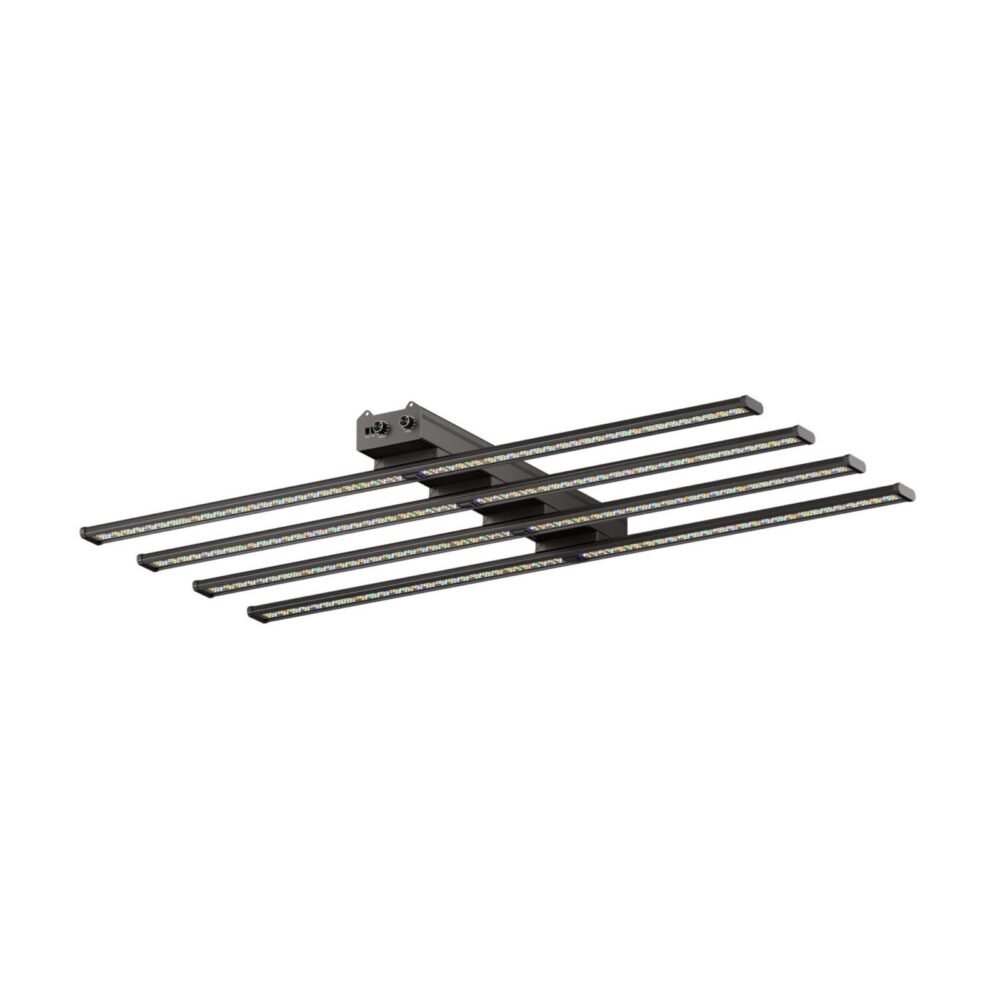
A grow tent is a sealed, reflective enclosure built to create a stable microclimate for indoor plants, whether you grow herbs, vegetables or hydroponic crops. Unlike growing in an open room, it separates your crop from ambient conditions and keeps light, humidity and airflow fully controlled. Most quality tents use food-grade mylar lining, which bounces light back onto the plant canopy and cuts down wasted energy from LED grow lights.
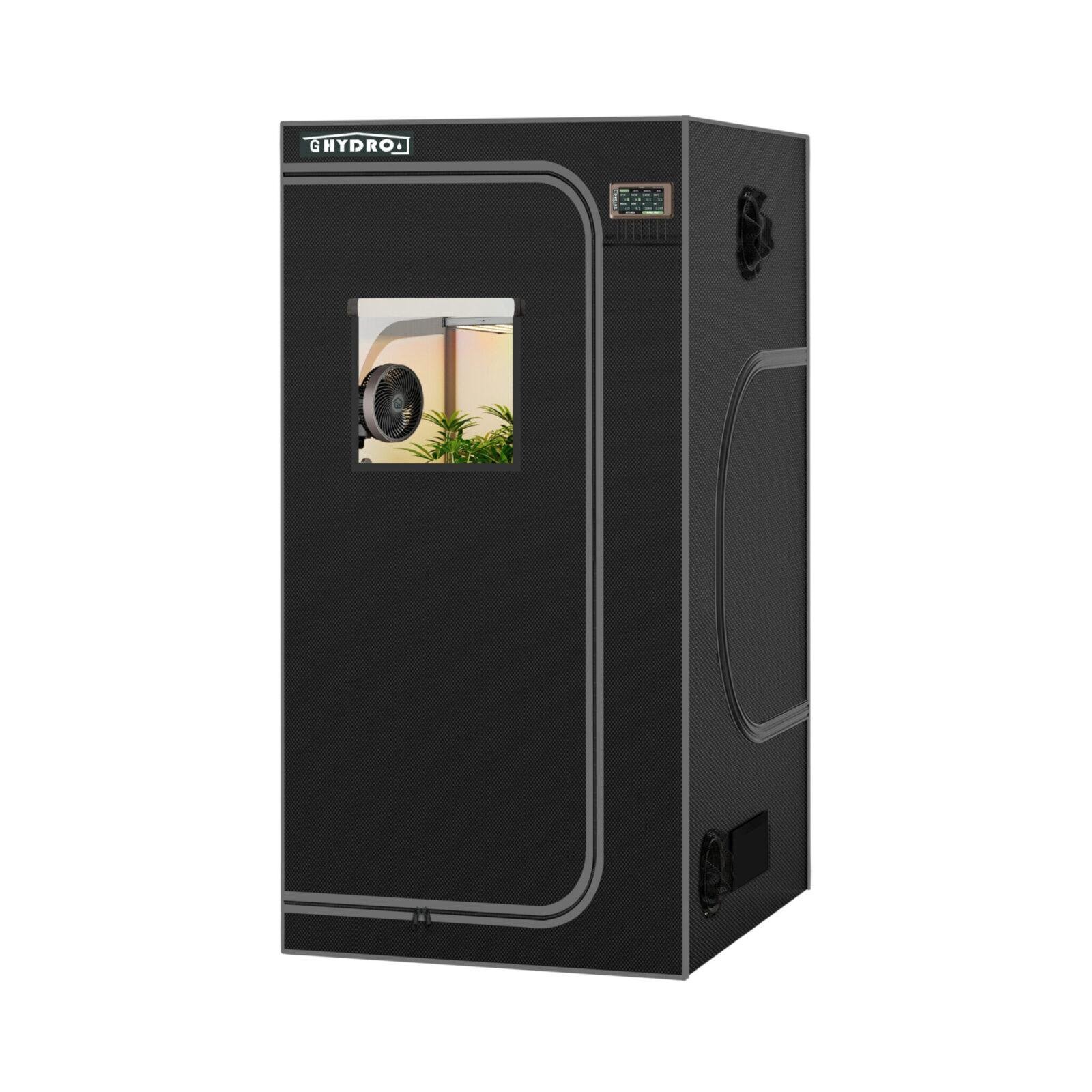
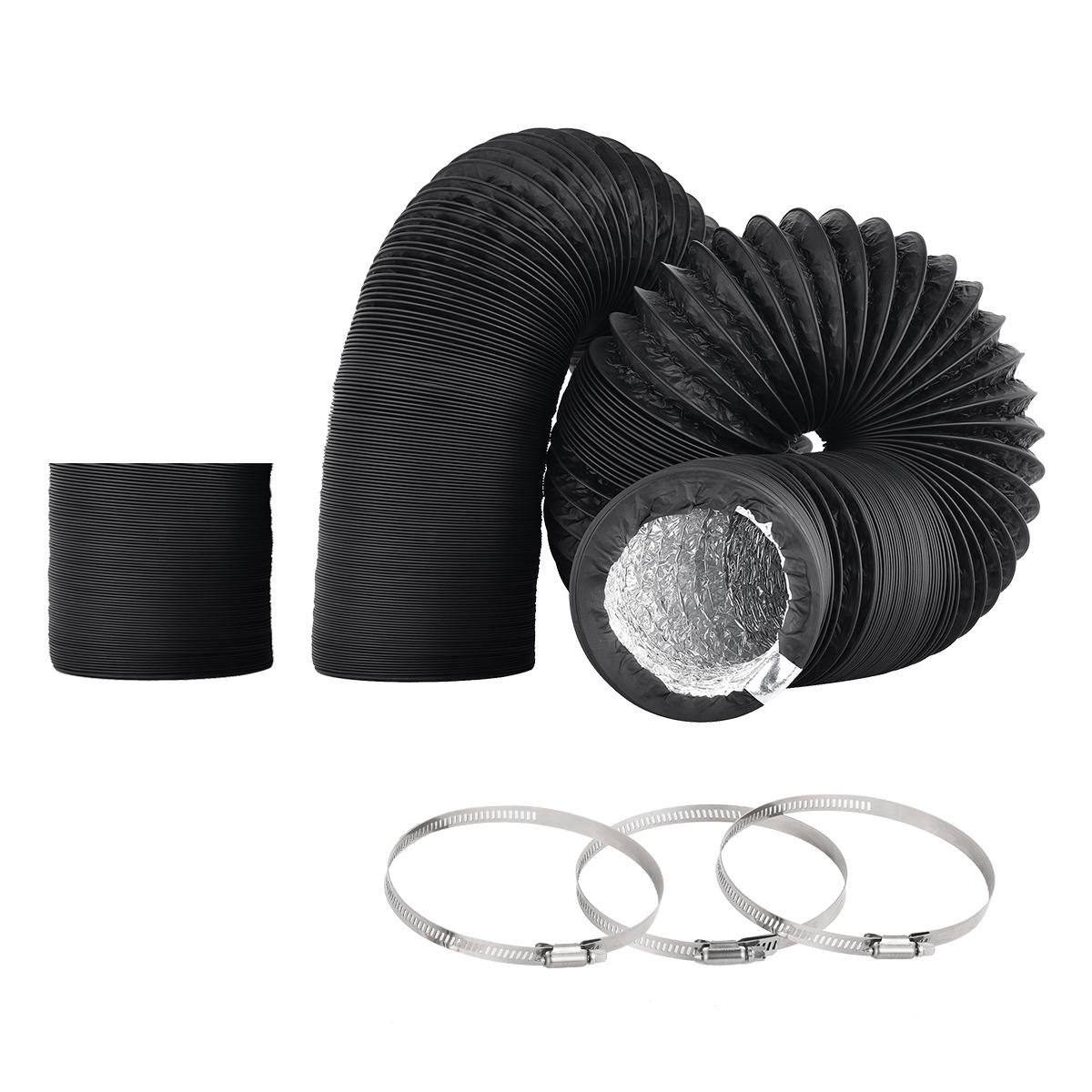
The outer shell is usually heavy-duty oxford canvas, measured in denier. Higher denier fabric blocks light leaks better and resists tearing over years of use. Light leaks are one of the most common beginner mistakes; even small pinholes can disrupt photoperiod cycles and slow plant development. Standard tents come with pre-cut duct ports for fans and filters, observation windows and removable waterproof trays to catch spills.
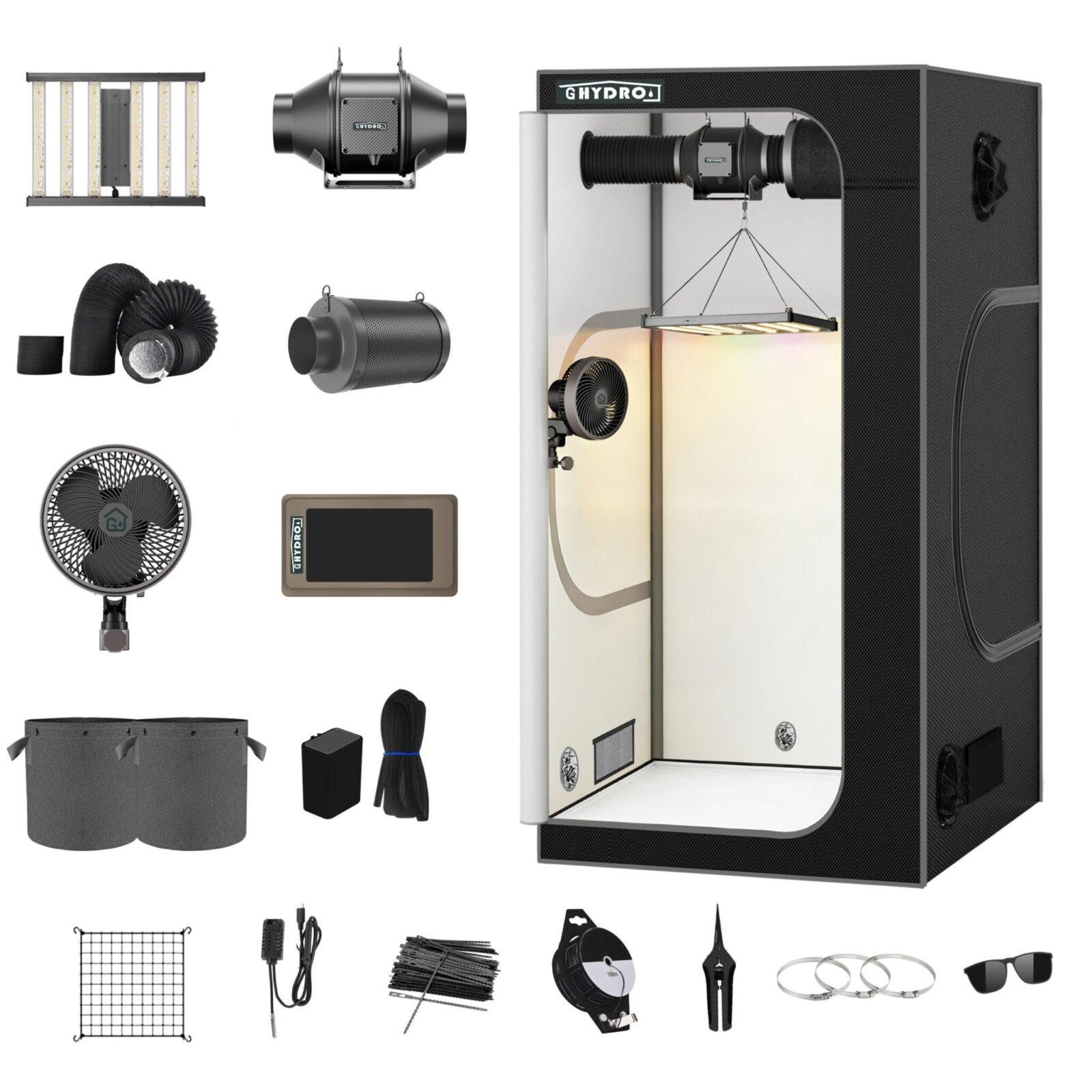
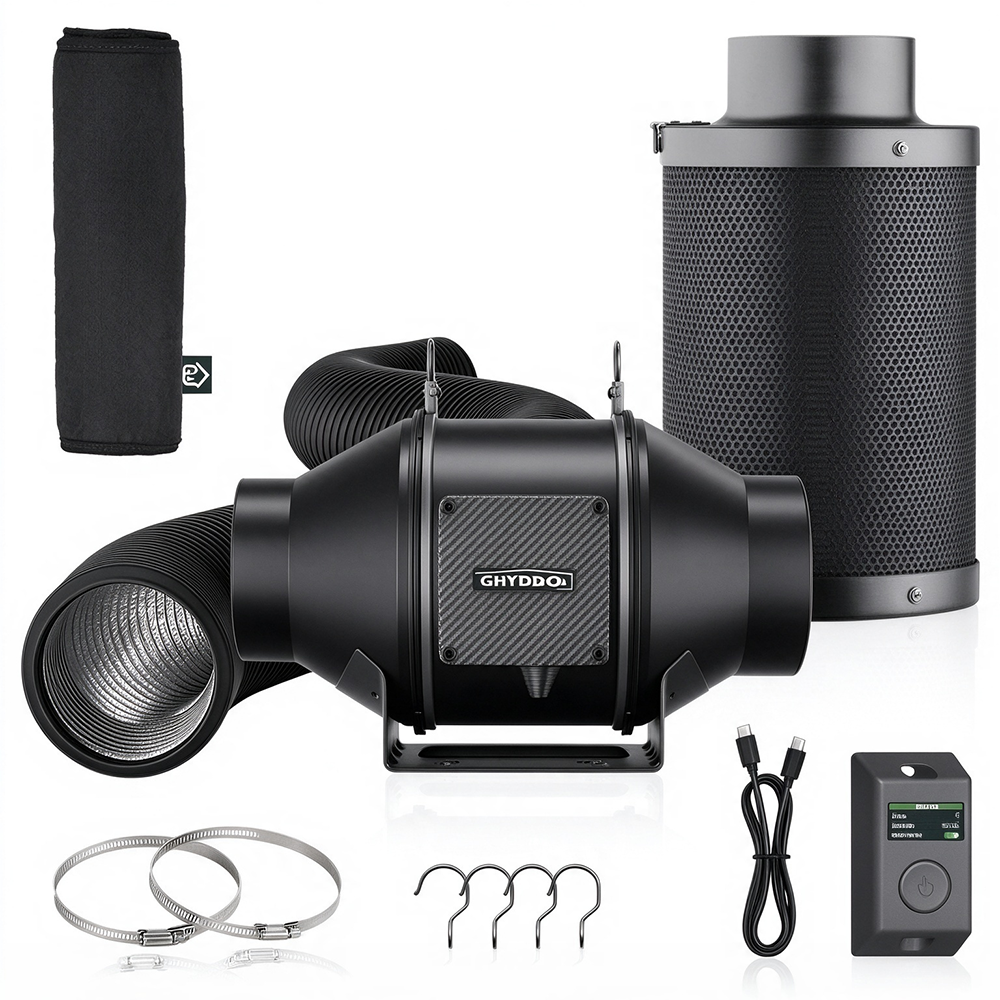
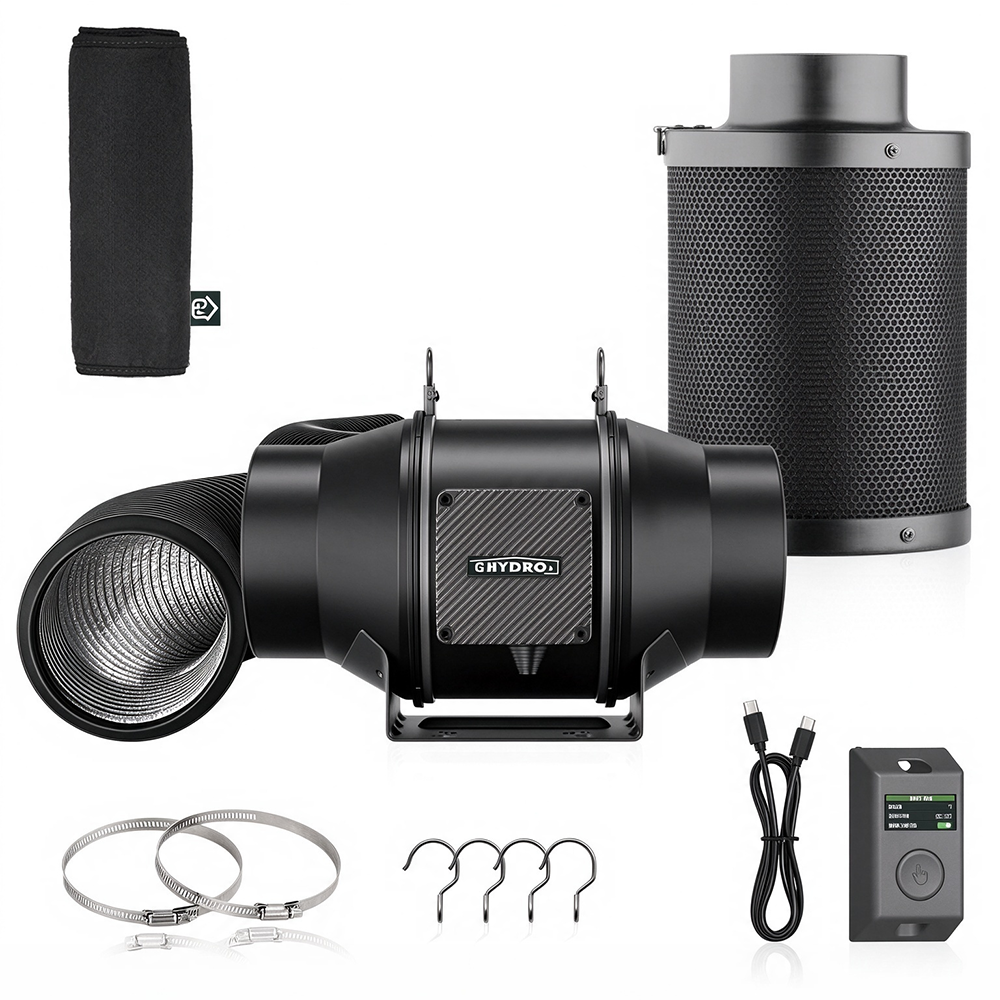
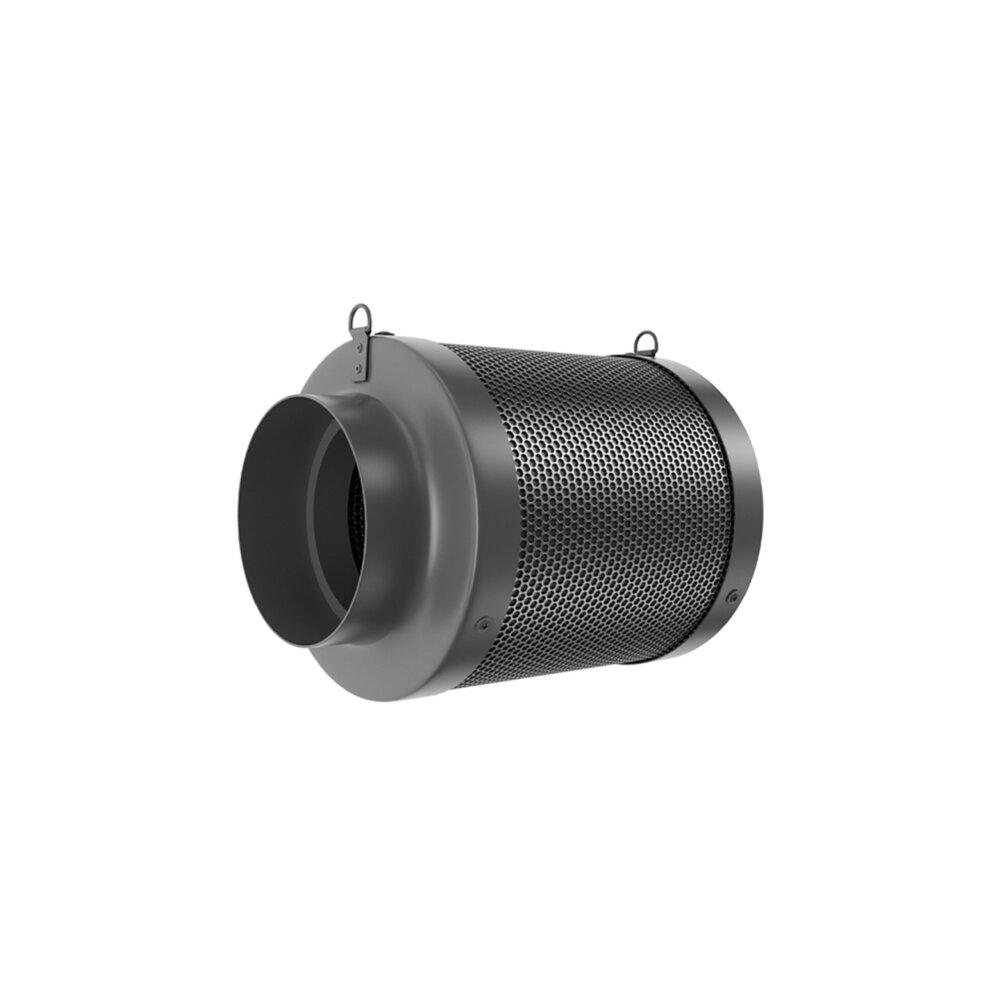
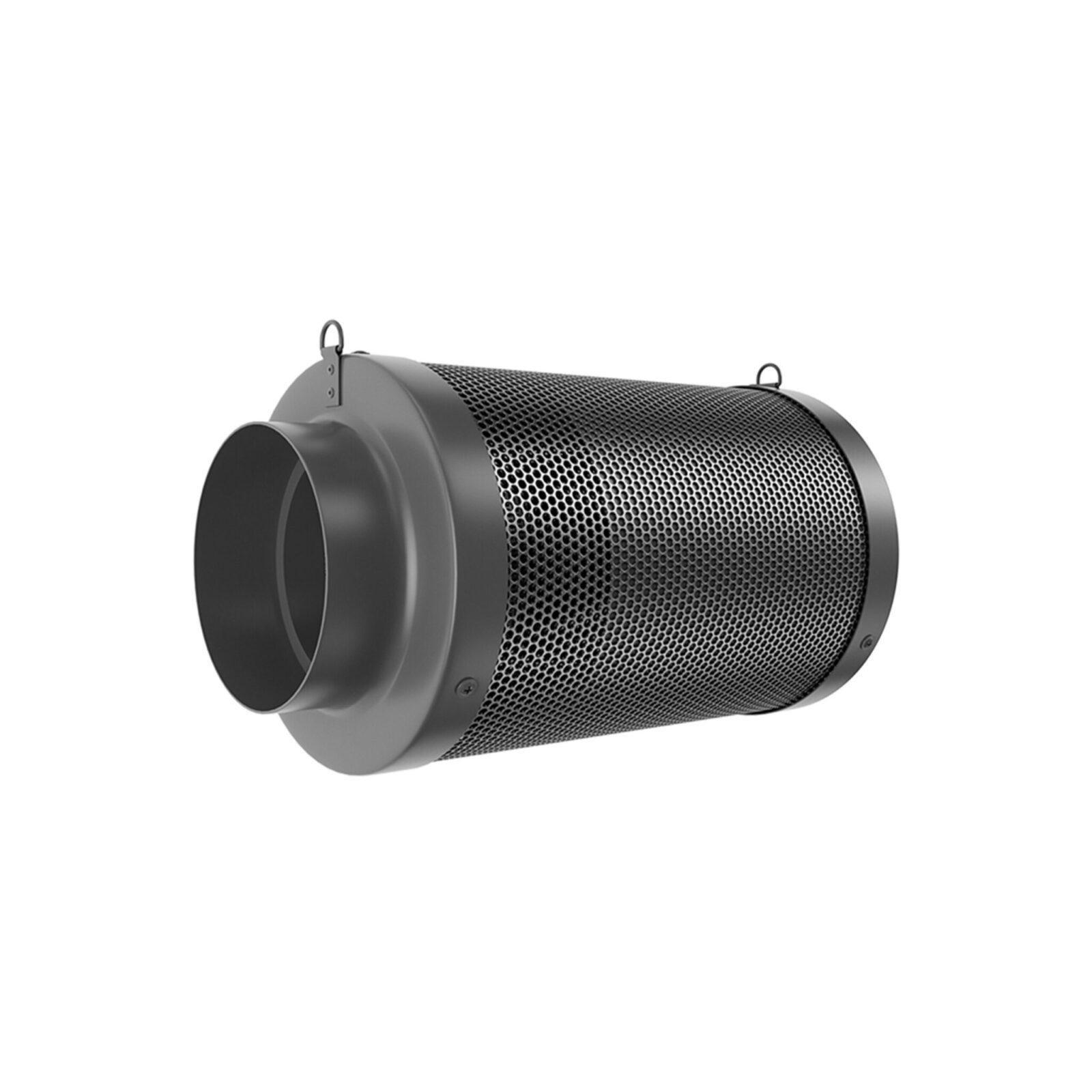
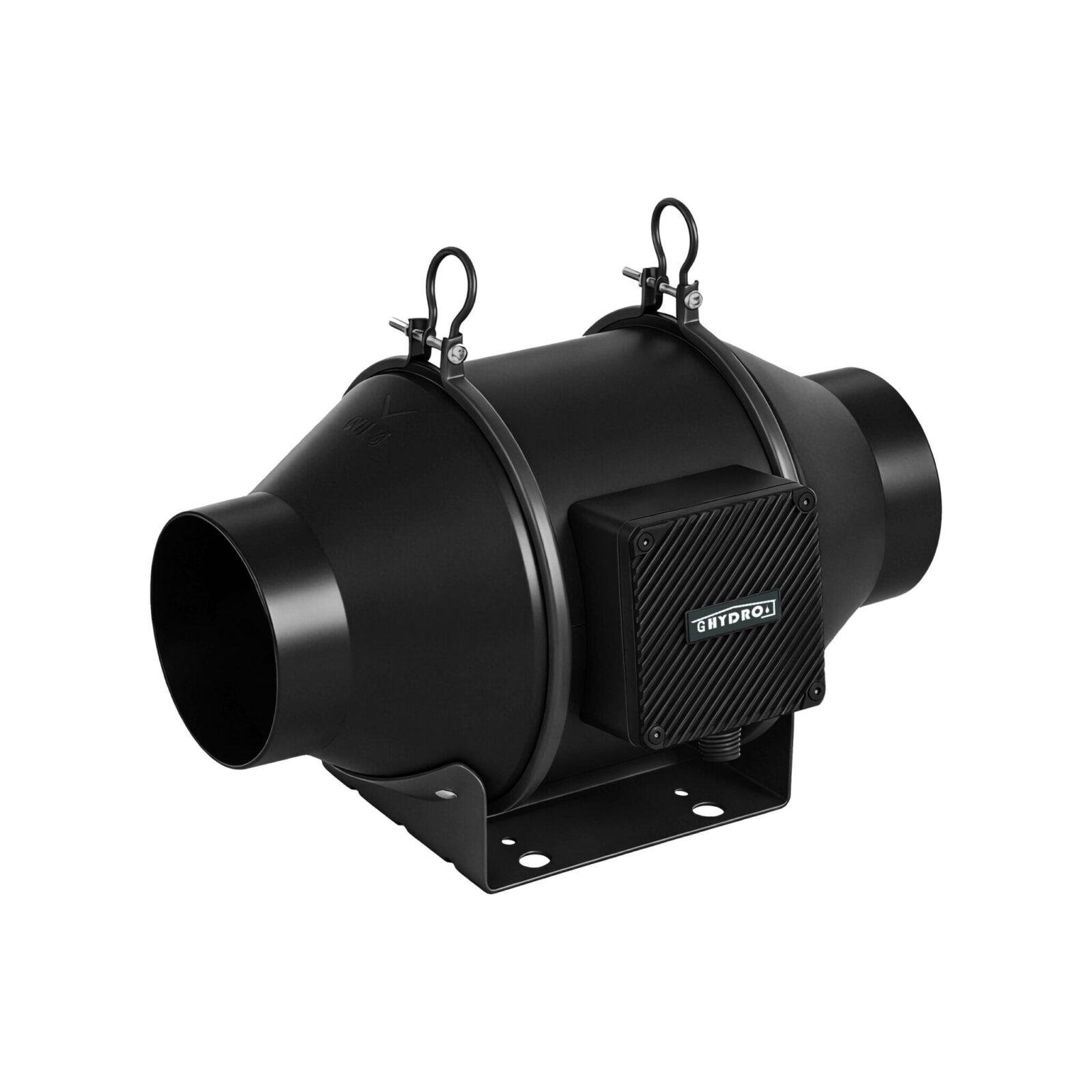
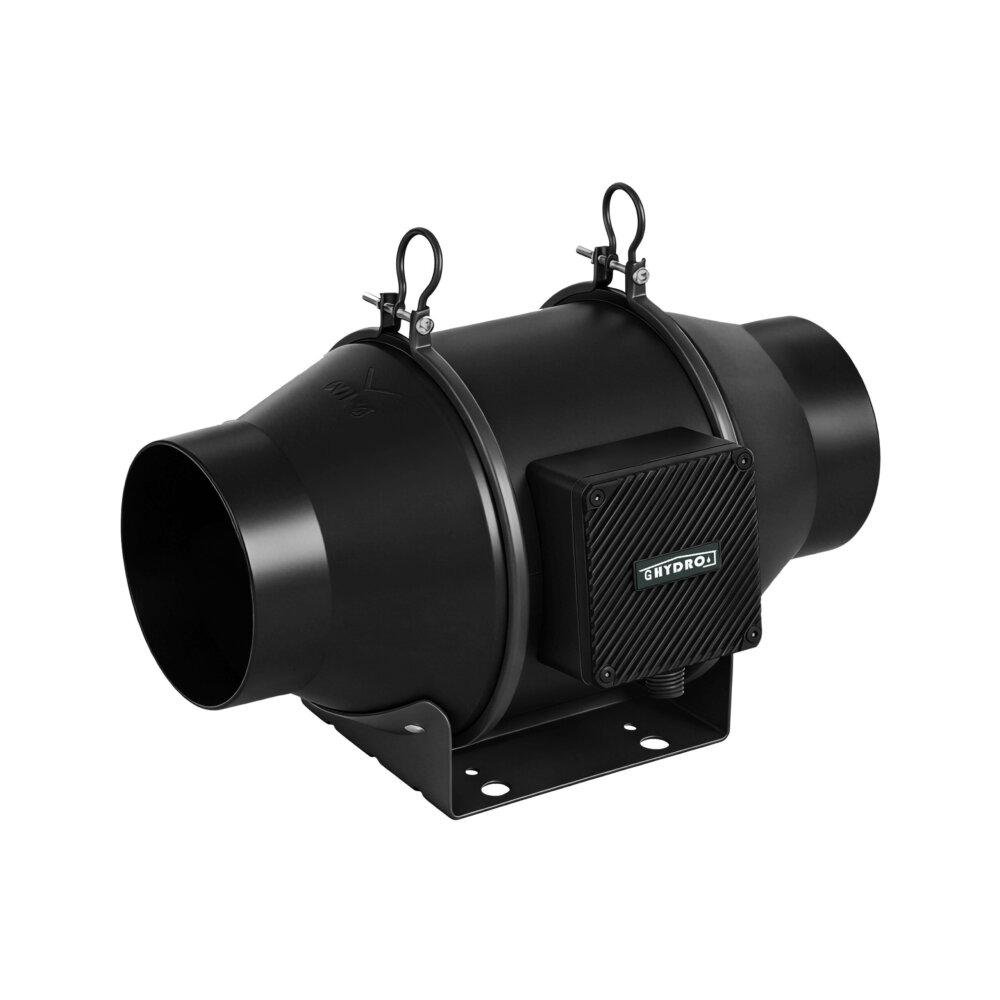
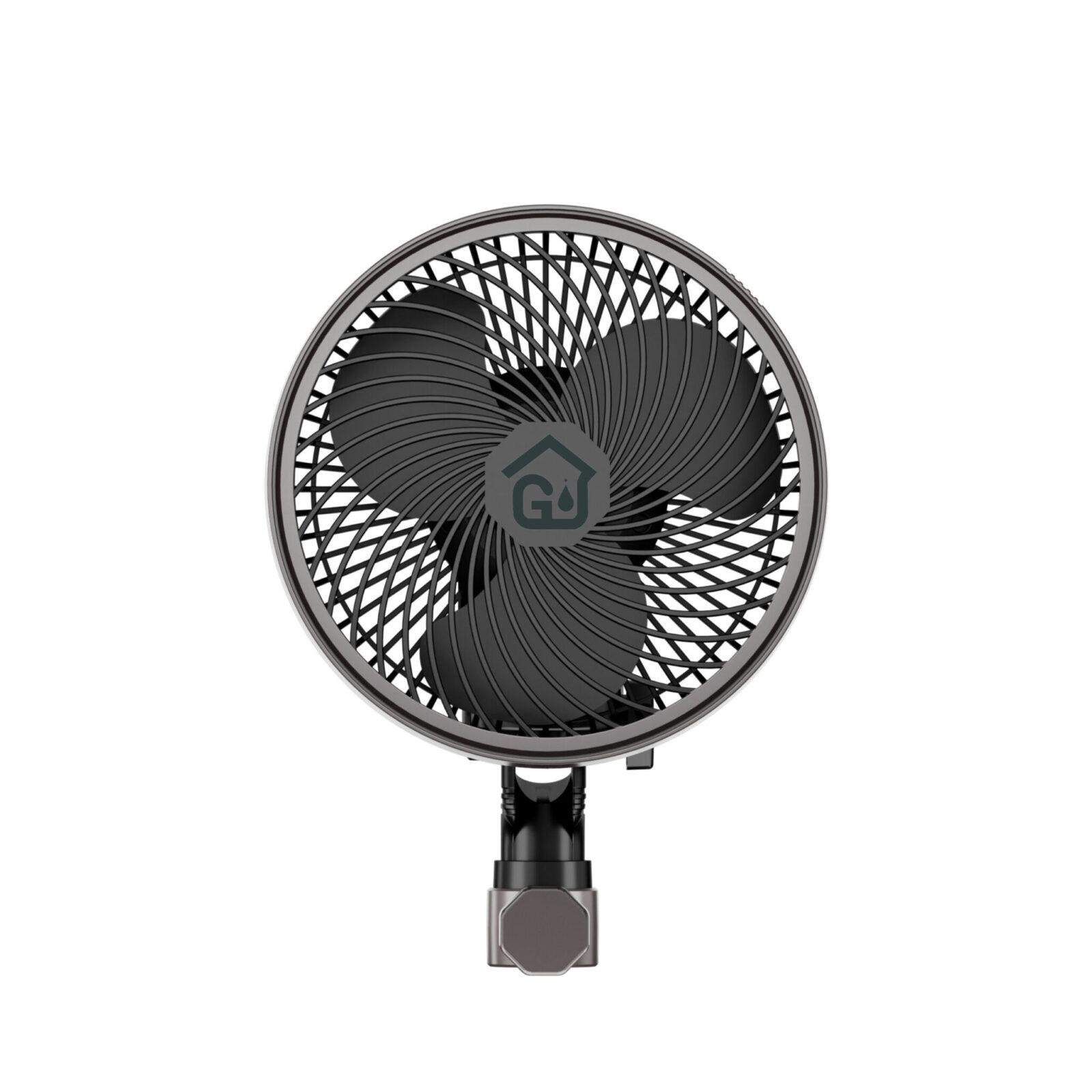
A basic grow tent system relies on three core parts: lighting, ventilation and environmental monitoring. The tent itself is only the shell. Without proper air exchange, heat builds up, humidity spikes, and mold or powdery mildew quickly appears. For hobby growers, a compact tent turns spare closets, garages or basements into usable growing space without expensive room renovations. It also contains water and nutrient spills, protecting floors and furniture.
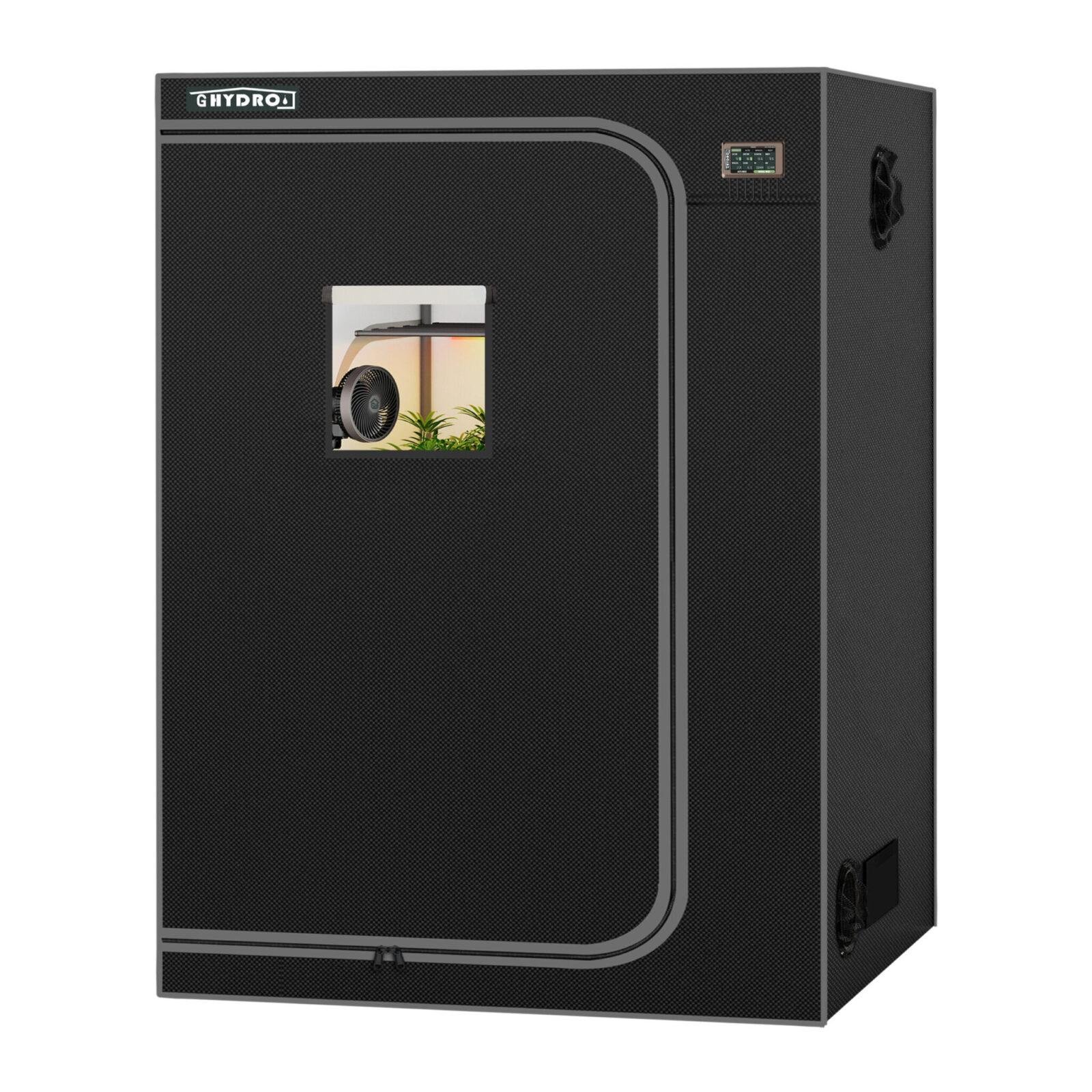
When shopping, match tent size to your plant count and light power. Oversized tents waste electricity, while cramped tents restrict airflow and stunt growth. A well-built grow tent lowers risk and makes indoor gardening far more predictable for new and experienced growers alike.